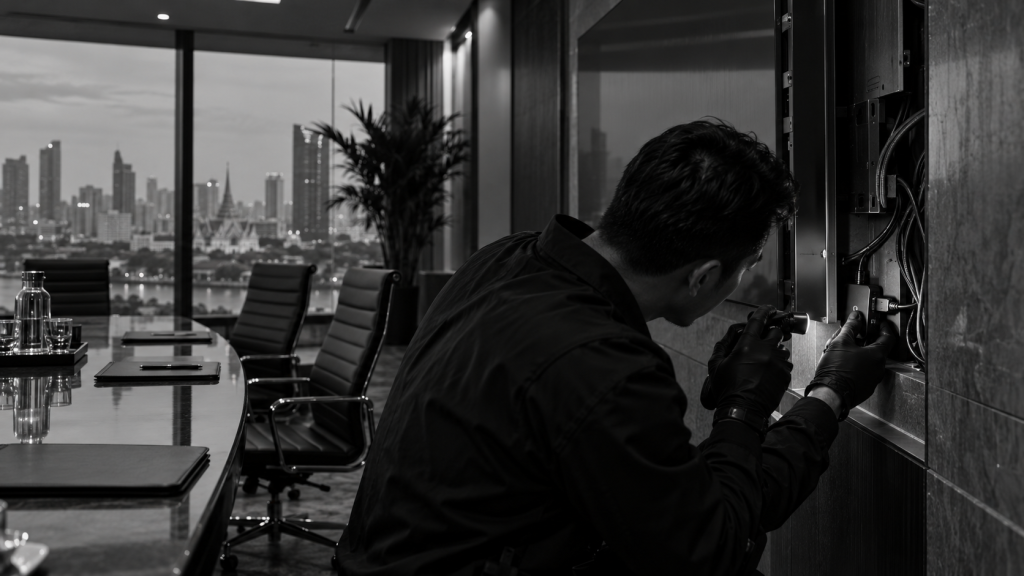
TSCM Thailand: What the OpenAI Recording Device Case Teaches Businesses
TSCM Thailand services are becoming increasingly relevant for companies whose most sensitive information is discussed inside meeting rooms rather than stored only on servers.
A recently unsealed US criminal complaint involving an OpenAI employee illustrates why.
On 13 October 2026, the US Department of Justice announced that an OpenAI engineer had been arrested and charged with allegedly using an electronic device to intercept oral communications at the company’s San Francisco office.
According to the US Department of Justice, OpenAI personnel discovered an alleged covert audio-recording device on 30 September inside an executive conference room.
The complaint alleges that the device had been inserted into a USB port behind a television and concealed from normal view.
The allegations have not been proven at trial. The Department of Justice states that a criminal complaint contains allegations and that a defendant is presumed innocent unless and until proven guilty.
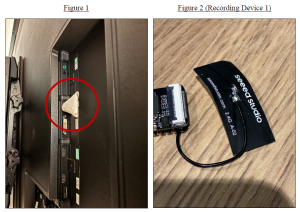
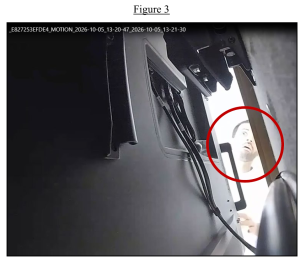
The alleged device was discovered during what WIRED described as a counter-surveillance sweep.
For businesses in Thailand, the case raises a much broader corporate-security question:
What would happen if a listening device were hidden inside your boardroom, hotel suite, executive office or negotiation room?
And perhaps more importantly:
Would anyone know how to find it?
What Is TSCM?
TSCM stands for Technical Surveillance Counter-Measures.
It refers to specialist techniques used to detect, identify and assess covert surveillance equipment and other technical threats.
A TSCM inspection may look for devices such as:
- Hidden microphones
- Audio recorders
- Covert cameras
- Cellular transmitters
- Radio-frequency surveillance devices
- Modified chargers or USB devices
- Concealed electronic equipment
- GPS trackers
- Passive surveillance electronics
The process is sometimes referred to more casually as a bug sweep.
However, a professional TSCM inspection involves considerably more than walking around a room with a basic radio-frequency detector.
Compliancia provides protective and investigative support in Thailand that includes TSCM bug sweeps and counter-surveillance.
Explore Compliancia’s protective and TSCM capabilities
Why the OpenAI Case Matters for TSCM Thailand
The alleged OpenAI device demonstrates an important point:
A surveillance device does not need to look sophisticated to create a serious information-security risk.
According to the DOJ complaint, the alleged device was placed behind a television in an executive conference room used for highly sensitive discussions.
The DOJ states that meetings held there frequently involved confidential technical, commercial and strategic information, including research, product plans, business-development opportunities and government engagements.
The physical location matters.
A device hidden behind ordinary conference-room equipment may remain outside the normal line of sight of employees using the room every day.
This creates a threat that traditional cybersecurity measures cannot necessarily detect.
Cybersecurity Does Not Protect Every Conversation
Businesses increasingly spend substantial amounts on cybersecurity.
They may deploy:
- Multi-factor authentication
- Encrypted email
- Endpoint protection
- VPNs
- Access controls
- Data-loss prevention
- Network monitoring
These controls are essential.
But executives continue to discuss sensitive information verbally.
Examples include:
- Mergers and acquisitions
- Litigation strategy
- Investment decisions
- Product launches
- Government negotiations
- Pricing
- Intellectual property
- Internal investigations
- Commercial disputes
- Board decisions
- Procurement
- Restructuring
If those conversations take place inside a technically compromised meeting room, conventional cybersecurity tools may offer little protection.
Once a confidential conversation has been recorded, the information has already left the intended environment.
This is where TSCM and physical counter-surveillance become relevant.
Insider Access Changes the Risk
Another important element of the OpenAI allegations is that the accused individual was an employee.
The DOJ alleges that CCTV footage showed the employee around the executive conference room on several occasions even though he did not have authority to participate in meetings taking place there.
These remain allegations.
But the situation illustrates why corporate security programmes should consider insider access as well as external threats.
Potential technical-surveillance risks can involve:
- Employees
- Contractors
- Vendors
- Former employees
- Visitors
- Business partners
- Competitors
- Individuals with legitimate building access
An insider may already understand:
- Office layouts
- Executive schedules
- Meeting-room locations
- Security procedures
- Access controls
- Sensitive departments
That can make physical surveillance significantly easier than attempting to penetrate the organisation from outside.
Where an insider threat is suspected, a TSCM sweep may therefore form one part of a wider corporate investigation.
What Can Be Hidden Inside an Office?
Modern recording and surveillance equipment can be extremely small.
Devices can potentially be concealed inside or around:
- Televisions
- Power outlets
- USB chargers
- Extension cables
- Smoke detectors
- Lamps
- Furniture
- Clocks
- Conference equipment
- Decorative objects
- Bags
- Electronic accessories
The reported OpenAI device was allegedly connected behind a television.
That is exactly why an ordinary visual inspection may not be enough.
A suspicious device does not necessarily look suspicious.
It can resemble legitimate office technology or be positioned somewhere employees rarely inspect.
Why Professional TSCM Uses Multiple Detection Methods
A cheap radio-frequency detector may identify some transmitting equipment.
But not every surveillance device continuously broadcasts a signal.
Some devices can store recordings locally.
Others may transmit only periodically.
Some equipment may be inactive during the inspection.
Professional TSCM work may therefore combine several techniques.
Physical Inspection
Rooms, equipment and wiring can be examined for modifications or objects that do not belong in the environment.
Radio-Frequency Analysis
Investigators can examine the surrounding RF environment for transmissions that require further explanation.
Non-Linear Junction Detection
Non-linear junction detectors can assist in identifying semiconductor components concealed inside objects, including some electronics that are not actively transmitting.
Network Assessment
Unexpected devices connected to wireless or wired networks may require investigation.
Environmental Analysis
The operator assesses whether devices, signals and electronics make sense within the particular room.
The objective is not simply to make a detector produce an alert.
It is to understand what caused the alert and whether it represents a genuine threat.
When Should a Company Consider TSCM in Thailand?
Not every office requires constant technical surveillance sweeps.
TSCM is generally more useful when applied according to risk.
Before Sensitive Negotiations
Companies entering acquisitions, joint ventures, major investments or dispute settlements may want additional assurance about the physical environment being used.
After Confidential Information Leaks
Where sensitive information repeatedly appears to reach competitors, opposing parties or outsiders, technical surveillance may be one possible explanation worth testing.
During Executive Visits
Senior executives often conduct confidential conversations from hotels, temporary offices and private meeting venues where their organisation has limited control over physical security.
During Internal Investigations
Corporate investigations involving fraud, employee misconduct, corruption or information leaks may themselves generate extremely sensitive information.
Following a High-Risk Employee Departure
A contentious departure, disciplinary matter or internal security incident may justify a review of sensitive rooms and executive areas.
TSCM Should Be Evidence-Led, Not Paranoia-Led
A professional TSCM investigation should be risk-based.
An unfamiliar wireless signal does not automatically mean someone is conducting espionage.
Modern offices contain numerous legitimate devices, including:
- Smartphones
- Bluetooth equipment
- Wireless screens
- Wi-Fi access points
- Smart televisions
- Printers
- Building-management systems
- Security equipment
A trained operator needs to distinguish normal technical activity from anomalies requiring further investigation.
Similarly, finding a suspicious device does not automatically establish who installed it.
That may require a separate investigation involving:
- CCTV
- Access-control records
- Interviews
- Device examination
- Employee records
- Physical evidence
- Other intelligence
Finding a Device Is Only the Beginning
The OpenAI case illustrates this point particularly well.
According to the DOJ complaint, investigators subsequently reviewed CCTV footage and other evidence.
The complaint also alleges that security personnel later discovered another recording device similar to the first one inside a bag associated with the accused employee.
Those allegations remain for the legal process to determine.
For a company in Thailand, however, discovering a suspicious device would immediately create several questions:
Who installed it?
When was it installed?
How long was it operating?
Was anything recorded?
Could information have been transmitted or removed?
Who had access to the room?
Are there additional devices elsewhere?
A technical sweep can therefore quickly become a broader corporate investigation.
Compliancia investigation services
TSCM and Corporate Espionage in Thailand
Companies operating in Thailand can possess commercially valuable information concerning:
- Manufacturing
- Intellectual property
- Distribution agreements
- Investments
- Litigation
- Government relations
- Real estate
- Technology
- Procurement
- Commercial negotiations
A threat does not necessarily need to involve highly sophisticated espionage capabilities.
A commercially motivated insider or third party may only require access, opportunity and relatively inexpensive equipment.
This is why TSCM should be viewed as one component of wider protective intelligence and corporate-security planning.
Hotels and Temporary Offices Can Also Be Vulnerable
TSCM is not limited to permanent corporate headquarters.
Visiting executives may conduct sensitive conversations from:
- Hotel suites
- Serviced apartments
- Temporary project offices
- Private meeting rooms
- Residences
These environments can be harder for a company to control.
Depending on the threat profile, technical counter-surveillance may therefore be combined with:
- Physical security
- Protective intelligence
- Advance security assessments
- Secure communications
- Counter-surveillance
What Should You Do If a Hidden Device Is Found?
The immediate reaction should not necessarily be to destroy or dismantle the device.
It could be evidence.
Depending on the circumstances, the company may need to:
- Restrict access to the area.
- Document the device and its exact position.
- Preserve CCTV footage.
- Preserve access-control records.
- Identify people with recent access.
- Seek legal advice.
- Consider whether law enforcement should be contacted.
- Conduct further TSCM sweeps of related locations.
Poor handling could damage potentially useful evidence.
The technical and investigative response should therefore be coordinated wherever possible.
TSCM Thailand: Protecting Sensitive Conversations
Compliancia provides investigative, protective-intelligence and counter-surveillance support from Bangkok and across Thailand.
Relevant capabilities include:
- TSCM bug sweeps
- Hidden microphone detection
- Counter-surveillance
- Corporate espionage investigations
- Security assessments
- Hidden GPS-device detection
- Corporate investigations
- Employee misconduct investigations
- Source enquiries
- Protective intelligence
Learn more about Compliancia’s protection and TSCM services
The purpose of TSCM is not to convince companies that somebody is always listening.
It is to answer a practical security question:
Can sensitive conversations take place here with reasonable confidence that the environment has not been technically compromised?
The alleged OpenAI incident provides a useful reminder that confidential information does not only leave organisations through hacked servers.
Sometimes the vulnerability can be physically located inside the meeting room.
Editorial Note
This article discusses allegations contained in a US federal criminal complaint announced by the Department of Justice on 13 October 2026.
According to the US Department of Justice, OpenAI employee Abdulrahman Alfozan was arrested and charged with allegedly using or attempting to use a device to intercept oral communications.
Prosecutors allege that a covert recording device was installed inside an executive conference room at an OpenAI office in San Francisco.
The allegations have not been proven at trial. The defendant is presumed innocent unless and until proven guilty beyond a reasonable doubt.
WIRED’s reporting provides additional reporting on the discovery of the alleged device and the counter-surveillance sweep.
This article does not independently determine the defendant’s conduct or motive. The case is used to illustrate corporate-security considerations surrounding covert recording devices and Technical Surveillance Counter-Measures.